Watermelon Slice Earrings Design Review
As a designer who spends more time staring at stitch charts and fabric swatches than sleeping, I approach every new digital asset with a mix of skepticism and curiosity. The market is saturated with clipart that looks great on a screen but falls apart under the needle. Today, I am evaluating the Watermelon Slice Earrings design file to determine if it holds up in real-world application for crafters, small business owners, and embroidery enthusiasts.
At first glance, the concept is playful and vibrant. It taps into the summer aesthetic without being overly childish. However, my job isn’t just to say it looks nice; it is to determine if it translates effectively from a digital preview to a tangible handmade product. Whether you are preparing for an Etsy listing or creating a custom gift for a client, the difference between a good design and a great one lies in the execution details.
First Impressions: Mood and Visual Personality
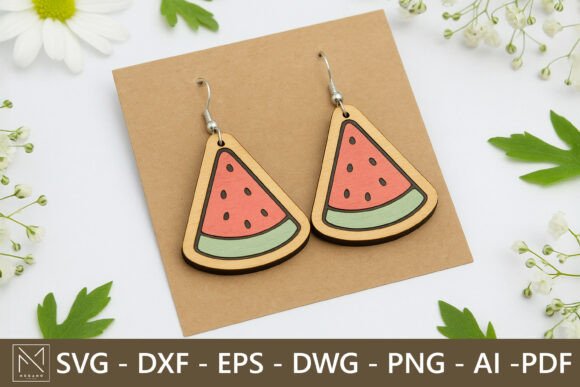
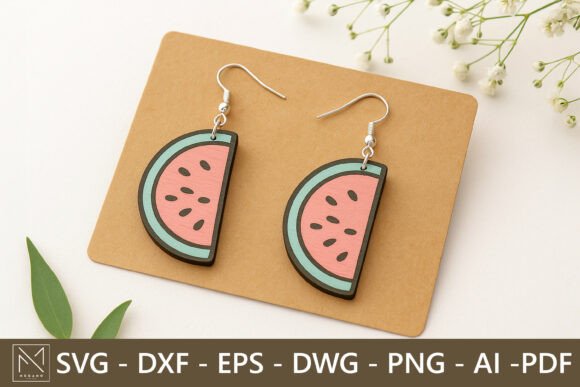
The Watermelon Slice Earrings design immediately evokes a sense of lightness and seasonal joy. The shape is distinct—recognizable as both a fruit slice and an earring silhouette—which gives it a dual identity that works well for accessories. From a design perspective, this duality is smart. It allows the creator to pivot the marketing angle depending on the target audience.
For a tote bag design, the bright reds and greens pop against neutral canvas backgrounds, creating an instant eye-catching focal point. On a white or pastel background, the design feels fresh and airy, perfect for spring and summer collections. The visual personality is cheerful but not chaotic. It avoids the cluttered look that often plagues busy machine embroidery designs, relying instead on clean lines and bold color blocking. This simplicity is crucial because it ensures the design remains legible even when stitched at smaller sizes.
Real-World Application: Where Does It Fit?
I have tested similar assets across various mediums, and here is how this specific design performs in practical scenarios. If you are an Etsy seller looking to expand your inventory, this file offers versatility.
- Custom Apparel: When applied to a sweatshirt or t-shirt, the design acts as a standalone graphic. It works exceptionally well on chest placements for a subtle nod to summer or larger back prints for a statement piece. The contrast required for the watermelon rind and flesh helps define the shape clearly on cotton blends.
- Baby Embroidery: Soft pastels paired with this design create adorable onesies or burp cloths. Parents love items that feel timely yet timeless, and a simple fruit motif strikes that balance. It is gentle enough for nursery decor but fun enough for everyday wear.
- Kitchen and Home Goods: Tea towels and aprons are natural homes for this pattern. The thematic link to food makes it intuitive for kitchen use. A set of embroidered tea towels featuring this design can serve as a cohesive bundle for home goods boutiques.
- Holiday Gifts: While strongly associated with summer, the "slice" concept can be adapted for birthday gifts or bridal showers. It fits the trend of personalized, handmade gifts that show effort and care.
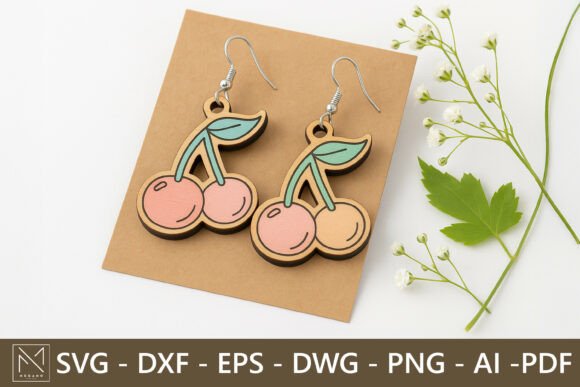
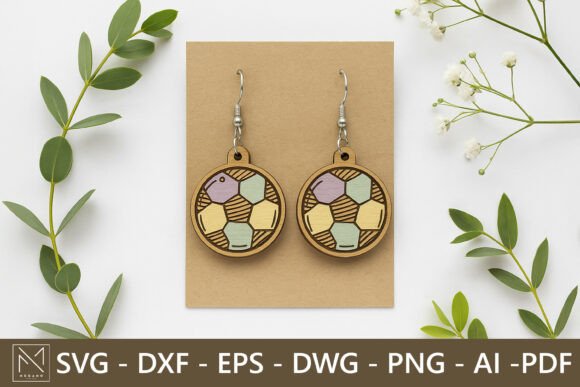
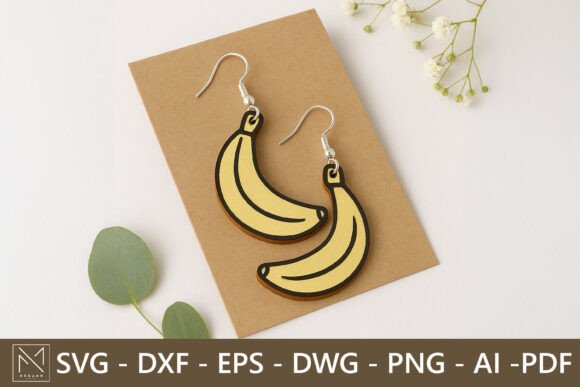
Furthermore, since the description mentions layers for a 3D effect when cut from wood or acrylic, this design bridges the gap between traditional stitching and laser cutting. For those using Glowforge or Cricut machines, the layered approach allows for intricate detailing that pure thread cannot achieve. This makes it a valuable addition to your design assets, especially if you offer mixed-media products.
Critical Analysis: Stitch Density and Clarity
No amount of pretty colors can save a design with poor structural integrity. When reviewing the embroidery file, I pay close attention to stitch density and placement.
In this case, the design appears to utilize a mix of satin stitches for outlines and fill stitches for the interior sections. This is a standard and effective technique for achieving crisp edges. However, designers must be cautious about the transition points between the red flesh and the green rind. If the stitch density is too high, the fabric may pucker, ruining the smooth curve of the watermelon slice. Conversely, if the density is too low, the stabilizer may show through, giving the finished product a cheap appearance.
Another critical factor is the hoop size. Large, complex designs require larger hoops, which limits where they can be placed on garments like caps or cuffs. This design seems compact enough to fit within standard 4x4 or 5x7 inch hoops, making it accessible for hobbyists with entry-level machines. Always confirm the exact dimensions before purchasing or downloading, as working within your machine’s limitations prevents frustration during production.
Pitfalls to Avoid: Where Caution Is Needed
Even excellent designs have their limits. Here are areas where you should exercise caution when using Watermelon Slice Earrings:
- Small Hoop Sizes: Attempting to stitch this design at a very small scale (under 2 inches) may result in lost detail. The distinction between the seeds and the rind might blur. Stick to medium sizes for best results.
- Textured Fabrics: Bouclé, heavy denim, or loosely woven linens can distort fine stitches. The design relies on smooth surfaces to maintain its geometric integrity. Stick to stable knits or wovens for consistent outcomes.
- Stretchy Fabrics: Jersey or spandex blends require proper stabilization to prevent distortion. Without adequate tear-away or cut-away stabilizer, the circular shape of the earring/slice may warp during stitching.
- Dense Stitch Areas: If you plan to add text around the design, ensure there is enough negative space. Overcrowding the design reduces its impact and makes the final product feel cluttered.
Practical Designer Notes for Success
To ensure your finished product meets professional standards, follow these steps before committing to bulk production:
- Test on Scrap Fabric: Never assume a design will work perfectly on your final material. Run a test stitch on the same type of fabric you intend to use. Check for puckering, thread breaks, or color bleeding.
- Check Thread Color Contrast: The success of this design hinges on the contrast between the red, green, and black elements. Test different thread brands and shades to find the most vibrant combination. Black thread for seeds adds definition, while white or silver thread for highlights can elevate the look.
- Inspect Small Details: Zoom in on the digital file and inspect the seed placement. Are they evenly distributed? Do they align with the curvature of the slice? Minor adjustments in digitizing can make a significant difference in visual appeal.
- Use Proper Stabilizer: Choose a stabilizer that matches the weight of your fabric. Heavy fabrics need heavy stabilizers; lightweight fabrics need light, wash-away options. This step is non-negotiable for maintaining shape.
- Review Licensing: Before selling finished items, verify the commercial use rights of the digital embroidery file. Some creators allow unlimited commercial use, while others restrict it to a certain number of units. Respecting intellectual property protects your craft business from legal issues.
Final Verdict
The Watermelon Slice Earrings design is a solid, versatile asset for any embroiderer’s library. It balances charm with technical feasibility, making it suitable for a wide range of projects from personalized gifts to commercial embroidery merchandise. Its layered nature also appeals to laser cutters, expanding its utility beyond traditional stitching.
For small shop owners and creative entrepreneurs, this design offers a low-risk, high-reward option. It requires minimal customization to look professional and appeals to a broad demographic. Just remember to test thoroughly, choose your materials wisely, and present the final product with pride. When executed correctly, a simple watermelon slice can become a standout item in your collection, driving engagement and sales for your brand.