Elegant Floral Pattern Panels Review
When I sit down to evaluate a new embroidery design, I am rarely looking for just "pretty." As a designer who has spent years turning digital files into tangible, wearable art, my primary concern is always execution. Will this design hold up on a busy weekend at the craft fair? Will it look professional when stitched onto a customer’s custom tote bag? Does it translate well from screen to fabric without losing its soul? Today, I am putting Elegant Floral Pattern Panels through that exact rigorous mental and physical test.
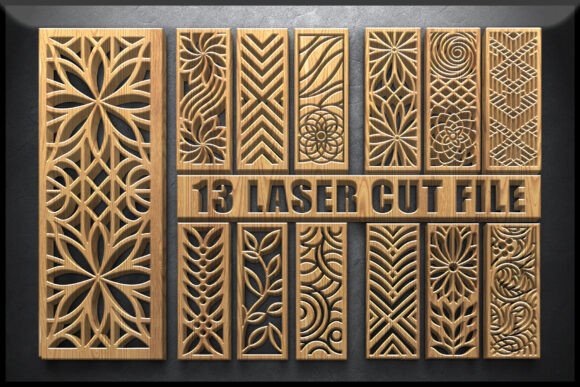
This bundle, categorized under Crafts and Graphics, promises a mix of organic curves, wave motifs, chevrons, and intricate latticework. At first glance, the visual personality of Elegant Floral Pattern Panels feels sophisticated yet approachable. It doesn’t scream for attention with loud, chaotic patterns; instead, it offers a refined rhythm that suggests high-end boutique branding. For an Etsy seller or small shop owner, this distinction is crucial. You want your products to feel curated, not mass-produced. The layout of these designs naturally lends itself to wall art, but as we will explore, their true potential lies in how they interact with different fabrics and garment structures.
First Impressions and Visual Mood
The immediate mood created by Elegant Floral Pattern Panels is one of calm elegance. The blend of floral elements with geometric chevrons creates a fascinating tension between nature and structure. This isn’t just a standard flower bouquet; it is a modern interpretation that feels contemporary enough for a millennial buyer but classic enough for a wedding gift. When I imagine this design being used, I don’t see it as a simple novelty item. I see it as a statement piece.
The detail level is where this design truly shines—or potentially falters, depending on your machine settings. The intricate latticework requires a steady hand and precise stitching parameters. In terms of aesthetic appeal, the design commands respect. It looks expensive. When a customer sees a finished product featuring this pattern, they perceive higher value. It signals that the maker took time to select something unique. This perception directly impacts customer trust and brand consistency. If you are building a reputation for quality handmade products, using designs that feel thoughtful and complex helps justify premium pricing.
Real-World Application: From Screen to Stitch
Let’s move away from theory and talk about real-life scenarios. Imagine you are preparing a batch of custom embroidered tote bags for a holiday market. You need something that photographs well and appeals to a broad audience. Elegant Floral Pattern Panels fits this bill perfectly. The vertical orientation of many panel designs works beautifully on the front pocket of a canvas tote, creating a striking focal point without overwhelming the entire bag.
However, consider another scenario: a baby shower gift. Here, the softness of the organic floral curves becomes more important than the sharpness of the chevrons. If you are working on baby clothes or nursery decor, the design’s versatility allows you to scale it down or adjust the thread colors to be softer pastels. The same file can yield two completely different vibes—one bold and graphic for adult apparel, and one delicate and sweet for infant wear. This adaptability is gold for a creative entrepreneur trying to maximize their design assets.
I also envision this design thriving on sweatshirt embroidery projects. The contrast of a dense fill stitch against the textured fleece of a hoodie creates a tactile experience that buyers love. The "handmade product" feel is enhanced because the stitches catch the light differently than printed graphics ever could. For an apron or kitchen towel, the lattice work adds a touch of farmhouse chic that remains popular in home decor trends. Whether you are creating personalized gifts or commercial embroidery items, the range of applications here is surprisingly wide.
Where Caution Is Required
Despite its strengths, no design is perfect for every surface. There are specific situations where Elegant Floral Pattern Panels demands careful consideration. First, avoid placing this design on highly textured fabrics like heavy tweed or loose-weave linen without proper stabilization. The intricate details may get lost in the fabric’s own texture, resulting in a muddy finish. Similarly, thin fabrics pose a risk. The density required to make the latticework visible might cause puckering if you do not use a cut-away stabilizer correctly.
Stretchy fabrics, such as jersey knits used for t-shirts, require extra attention. While the design can work, the combination of satin stitch borders and fill areas can distort if the hoop tension is too tight. I strongly advise testing on scrap fabric first to gauge how the design behaves under stretch. Additionally, be mindful of curved surfaces like caps or hats. While the central part of the design might lay flat, the outer edges of the panels could struggle to conform to the curvature, leading to uneven stitching or thread breaks.
Another critical area is small hoop sizes. If you attempt to digitize or scale down the intricate latticework too much, you risk losing definition. Tiny details tend to merge together during the stitching process, especially if the thread color does not provide enough contrast. If you are planning to add tiny lettering near the design, ensure there is enough negative space. Crowded designs often look cluttered and reduce the overall professionalism of the finished product.
Practical Designer Notes for Execution
To get the most out of this embroidery file, you must treat it with technical respect. Here are my non-negotiable tips for bringing Elegant Floral Pattern Panels to life:
- Stitch Density Check: Before loading the design, review the stitch density. Dense areas should have appropriate pull compensation to prevent distortion. If the design feels too heavy for your target fabric, consider reducing the fill percentage or switching to a lighter thread weight.
- Thread Color Contrast: The beauty of this design lies in its lines. Using low-contrast threads (e.g., beige on cream) will wash out the intricate details. Opt for high-contrast combinations to make the floral curves and chevrons pop. Test your thread choices in black and white mockups to ensure the shapes remain distinct.
- Stabilizer Selection: Never skimp on stabilizer. For woven fabrics like cotton or linen, a tear-away might suffice for smaller placements, but a cut-away is safer for garments that will undergo frequent washing. For knit fabrics, a stable tear-away or water-soluble topping can help maintain stitch clarity.
- Hoop Size Confirmation: Ensure your machine’s hoop size accommodates the full design. If you need to split the design, plan the seam placement carefully so the pattern aligns seamlessly across the join.
- Commercial Licensing: If you are an Etsy seller or run a craft business, double-check the license terms. Some bundles allow commercial use for physical goods but restrict resale of the digital file itself. Clarifying this before you start producing prevents legal headaches later.
Final Verdict on Value and Engagement
Ultimately, Elegant Floral Pattern Panels is a strong asset for any designer’s library. It bridges the gap between decorative art and functional embroidery. The design enhances visual appeal not just through its beauty, but through its perceived craftsmanship. When a buyer receives a package containing a sweatshirt or tote bag with this embroidery, they feel the quality. It elevates the finished product from a commodity to a keepsake.
For those looking to expand their design assets, this bundle offers variety within a cohesive theme. The mix of organic and geometric elements allows for creative experimentation. You can use the floral parts for romantic pieces and the chevrons for modern, minimalist projects. This flexibility increases the lifespan of the design in your workflow.
In conclusion, while Elegant Floral Pattern Panels requires attention to detail regarding fabric choice and stitch settings, the payoff is significant. It supports a wide range of embroidery project types, from personal gifts to high-volume small shop product lines. By approaching it with the practical caution outlined above—testing on scraps, checking densities, and respecting fabric limitations—you can create stunning, professional-grade items that resonate with customers. It is a reliable, elegant choice for anyone serious about their embroidery craft.