DIY Booknook – DXF SVG Files Laser Cutting
When I first opened the folder for DIY Booknook – DXF SVG Files Laser Cut, my immediate thought wasn’t about the aesthetic alone—it was about the product potential. As a digital creator who has spent years testing assets for Etsy, Creative Fabrica, and print-on-demand platforms, I know that not every design translates well into a sellable commodity. Some are too simple to add value; others are so complex they frustrate the end-user. This asset sits in a fascinating middle ground: it is intricate enough to justify a premium price point but structured enough to be manageable for hobbyists and small business owners alike.
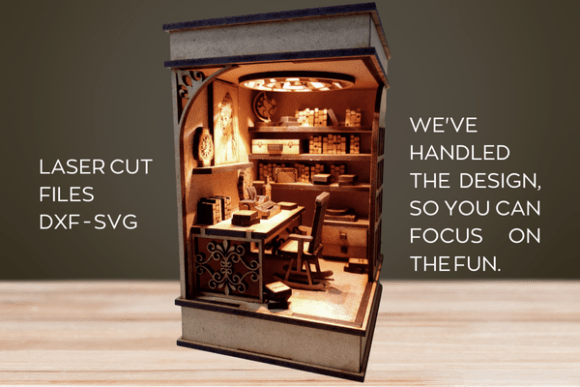
The core concept here is transforming your bookshelf into a captivating miniature world. Whether inspired by fantasy realms, architectural marvels, or classic storytelling motifs, this DIY book nook adds depth and character to any space. For a seller, this "depth" is crucial. It suggests a three-dimensional feel even when rendered in two dimensions, which makes it highly attractive for various creative applications beyond just laser cutting.
Evaluating the Visual Personality and Niche Appeal
The visual personality of this graphic design asset leans heavily toward the whimsical yet structural. It feels elegant but approachable, striking a balance between high-end decor and accessible DIY fun. This duality is exactly what drives sales in the current creative marketplace. The target audience isn't just the professional woodworker; it’s also the crafter with a Cricut or Silhouette machine who wants to create something tangible and impressive without needing industrial equipment.
From a branding perspective, this asset works exceptionally well for businesses focused on home decor, literary gifts, and cozy aesthetics. It appeals to buyers who value visual storytelling and immersive environments. If you are building a brand identity around "slow living," "reading nooks," or "fantasy decor," this design fits seamlessly. It doesn’t scream for attention like a bold pop-art piece; instead, it invites the viewer to look closer, which increases engagement time on listing images and social media posts.
Real-World Product Applications for Digital Sellers
So, how do we turn these DXF and SVG files into revenue? Let’s look at practical scenarios. Imagine you are preparing a seasonal collection for your Shopify store or Etsy shop. Instead of selling just the file, you can create a comprehensive bundle.
- Laser Cutting & Woodworking Kits: This is the most obvious application. You can sell the DXF/SVG files directly to makers who use CO2 lasers or CNC routers. Ensure you provide clear layer organization in your download package to help them separate cut lines from engrave lines.
- Printable Wall Art & Framed Decor: Convert the vector lines into a high-resolution PNG design suitable for printing. These can be sold as instant downloads for customers who want to frame the illustration themselves. The intricate details hold up well in large formats, making them perfect for gallery walls.
- Sublimation Designs for Mugs and Tumblers: While booknooks are 3D objects, the silhouette and interior details can be adapted for sublimation designs. A mug featuring a stylized version of the book nook scene taps into the popular "cozy reading" niche, which consistently performs well on print-on-demand platforms.
- Crafting Stickers and Planner Accessories: Simplify the design slightly to create sticker sheets. These work beautifully as planner stickers for bibliophiles or as decorative elements for scrapbooking kits. The key here is to ensure the line weight is thick enough to survive die-cutting if you are producing physical stickers.
- T-Shirt and Apparel Graphics: Use the central motif as a t-shirt design. Place it on a vintage-style tee or a hoodie for a festival or convention focused on literature and fantasy. The detailed nature of the asset allows it to stand out against fabric textures.
Enhancing Product Presentation and Mockups
In the digital product space, perceived value is everything. A raw vector file might sell for $2, but the same design presented in a stunning mockup can sell for $15. Here is how DIY Booknook – DXF SVG Files Laser Cut elevates your product presentation:
First, use it to create thumbnail appeal. When a customer scrolls through a creative marketplace, they need to see the complexity instantly. A mockup showing the finished wooden book nook lit with warm LED lights creates an emotional connection. It shows the buyer not just what they are buying, but the result they will achieve. This reduces hesitation and boosts click-through potential.
Secondly, utilize the asset for visual storytelling in your listing images. Show the design process: start with the flat SVG, move to the laser-cut layers, and end with the assembled diorama. This transparency builds customer trust and demonstrates that you understand the craft, positioning you as an expert rather than just a file reseller.
Strategic Use Cases for Maximum Impact
This asset shines in specific contexts. It works best in large product previews where detail is visible. It is ideal for themed bundles—pair it with matching font styles (like serif fonts for titles and handwritten fonts for labels) to create a cohesive brand identity. It also serves as excellent promotional visuals for social media graphics, especially during back-to-school seasons or holiday gift guides.
Risks and Areas Requiring Caution
No asset is without its challenges. As an experienced seller, I must highlight where you should use DIY Booknook – DXF SVG Files Laser Cut carefully.
Avoid using the full-detail version for tiny sticker details or crowded thumbnails. The fine lines may become muddy when scaled down, leading to poor print quality or frustration for users trying to cut it on smaller machines. Always test the design at actual output size before publishing.
Be cautious with dark backgrounds in your marketing materials. Intricate line art often relies on contrast to be legible. If you place black or dark brown cut lines on a dark background, the design disappears. Stick to white or light pastel backgrounds for your primary listing images to ensure clarity.
Furthermore, verify the commercial license explicitly. While many DXF/SVG files come with commercial rights, some restrict the number of physical items you can produce. If you are planning to sell physical laser-cut products, ensure your license covers manufacturing. If you are only selling the digital file itself, standard commercial licenses usually suffice.
Practical Seller Notes for Implementation
To get the most out of this asset, follow these practical steps before adding it to your inventory:
- Test on Real Mockups: Don’t just guess how it looks. Create a digital mockup or physically cut one sample to check proportions.
- Check File Resolution: Even though it’s a vector, export preview images in high-resolution PNG format to prevent pixelation on retina screens.
- Inspect SVG Cut Quality: Open the file in software like Illustrator or Inkscape to ensure there are no overlapping paths or unnecessary anchor points that could cause cutting errors.
- Organize Files Clearly: Group layers logically (e.g., Base, Walls, Details, Lights). This adds immense value for your customers and reduces support tickets.
- Pair with Complementary Fonts: When creating templates or promotional materials, pair the intricate design with clean sans-serif fonts for readability or elegant script fonts for a touch of luxury.
Ultimately, DIY Booknook – DXF SVG Files Laser Cut is more than just a pattern; it’s a versatile design asset that bridges the gap between digital convenience and physical craftsmanship. By understanding its strengths and respecting its limitations, you can integrate it into a robust product strategy that appeals to both casual crafters and serious small business owners. Whether you are expanding your printable design library or launching a new line of handmade business merchandise, this asset provides the structural foundation needed to create compelling, high-value products.