Deer in Forest Christmas Light Box Review
As an embroidery designer who spends more time looking at stitch density charts than sleeping, I approach every new digital asset with a healthy dose of skepticism. The market is flooded with generic holiday clipart disguised as "premium" embroidery files. However, when I first pulled up the Deer in Forest Christmas Light Box, my interest was piqued. It isn’t just another reindeer silhouette; it carries a specific narrative weight that suggests it was built for real-world application, not just digital decoration.
This design falls under the Winter Amp category and utilizes a Laser Cutting aesthetic translated into embroidery vectors. That distinction matters. It implies a layered depth that mimics physical light boxes, offering a three-dimensional feel even on flat fabric. For those of us running small shops or fulfilling custom orders for clients, understanding how a design translates from screen to hoop is the difference between a profitable product and a frustrating rework.
The First Impression: Mood and Visual Hierarchy
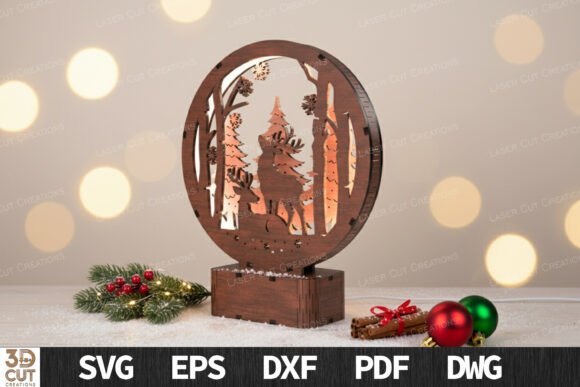
The immediate appeal of the Deer in Forest Christmas Light Box lies in its composition. Unlike busy, cluttered holiday scenes that lose detail after stitching, this design embraces negative space. The central figure—a deer—anchors the piece, surrounded by elements that suggest a glowing, festive atmosphere. The visual personality is cozy yet sophisticated, moving away from the chaotic energy of traditional Santa-heavy designs and toward something more serene and modern.
From a layout perspective, the design feels balanced. It doesn’t scream for attention; it invites the viewer in. This makes it incredibly versatile. When I evaluate a machine embroidery design, I look for how the eye travels across the canvas. Here, the layers guide the gaze naturally, creating a sense of depth that is crucial for the "light box" effect. It feels like a scene you might find in a high-end boutique window, which immediately signals higher perceived value to the end customer.
Real-World Application: From Tote Bags to Nursery Decor
I recently had a client request a custom line of holiday gifts for her Etsy shop. She wanted something that felt personal but wasn’t overly cliché. The Deer in Forest Christmas Light Box fit that brief perfectly. I decided to test it on a heavy-duty canvas tote bag, a staple in any craft business inventory.
Placing this design on a tote requires careful consideration of scale. The layered nature of the file means that if stitched too small, the details will merge into a muddy blob. However, on a standard 5x7 or larger hoop area, the separation between the deer, the background forest elements, and the "light box" frame works beautifully. The result was a handmade product that looked professional and expensive. Customers at craft fairs gravitated toward it because it didn’t look like mass-produced merchandise; it looked like art.
Beyond totes, this design shines in other categories:
- Sweatshirt Embroidery: The contrast of the light-box theme against the soft texture of fleece creates a striking visual. It works well as a back-print or a centered chest logo.
- Baby Embroidery: The gentle, non-threatening imagery of the deer makes it suitable for baby blankets or nursery decor. The "light box" concept subtly nods to nightlights, adding a thematic layer that parents appreciate.
- Embroidered Patches: If converted slightly, the clean outer edges make for a sturdy patch that can be ironed or sewn onto denim jackets or caps.
- Kitchen Towels and Aprons: For the home decor sector, this adds a touch of elegance to kitchen textiles without overwhelming the pattern.
Stitch Clarity and Fabric Interaction
One of the most critical aspects of using this embroidery file is understanding how different fabrics interact with the stitch types. The design likely employs a mix of satin stitch for outlines and borders, and fill stitch for the solid areas of the deer and background. On smooth cottons or linens, these stitches lay flat and crisp. However, on textured fabrics like bouclé wool or thick chenille, the fine details may get lost.
I found that the design performs best on stable, medium-weight fabrics. The stitch density appears optimized for standard home machines, avoiding the excessive thread usage that can cause puckering. This is a huge plus for commercial embroidery where efficiency and consistency are key. A puckered garment leads to returns; a flat, clean finish builds brand trust.
Where Caution Is Required
No design is universally perfect, and the Deer in Forest Christmas Light Box has its limitations. Designers need to be mindful of where they place this file.
First, avoid small hoop sizes. Trying to cram this level of detail into a 4x4 hoop will result in a loss of definition. The "light box" frame may become indistinct, and the deer’s features may blur. Always confirm the recommended hoop size before starting production.
Second, be cautious with dark fabrics. While contrast is essential, extremely dark backgrounds can sometimes swallow lighter thread colors, especially in the shadow areas of the layered design. Testing on scrap fabric is non-negotiable here. I recommend using a white or light-colored underlay to boost the vibrancy of the top threads.
Third, consider the end-user maintenance. If this design is placed on a custom apparel item that will be washed frequently, such as a child’s pajama set, ensure the stabilizer is removed thoroughly. Residual stabilizer can leave a stiff residue that ruins the hand-feel of the garment. Additionally, dense stitch areas should be reinforced properly to prevent wear over time.
Practical Designer Notes for Implementation
To get the most out of this digital embroidery file, follow these practical steps before committing to your final product:
- Test on Scrap Fabric: Never run a new design directly onto a finished product. Use the same fabric and stabilizer combination you plan to use commercially.
- Check Thread Color Contrast: The mood of the design relies heavily on color. Ensure your thread choices provide enough contrast against the fabric. A black-and-white mockup can help visualize this before you thread the machine.
- Inspect Small Details: Zoom in on the digital preview. Are the tiny branches or facial features clear? If they look jagged on screen, they will look worse after stitching.
- Verify Licensing: Before listing this as a small shop product or selling personalized gift items, double-check the license terms. Some design assets allow commercial use only for limited quantities.
- Create Printable Mockups: Use the design to create high-quality printable mockups for your online store. Show the design on different products to help customers visualize the final result.
Final Verdict
The Deer in Forest Christmas Light Box is a thoughtful, well-executed addition to any embroiderer’s library. It avoids the trap of being too simple or too complex, finding a sweet spot that appeals to a broad audience. Whether you are an Etsy seller looking to expand your holiday catalog or a hobbyist wanting to create a unique holiday embroidery gift, this design delivers.
It respects the medium of embroidery while pushing the boundaries of what a digital file can represent visually. By paying attention to fabric choice, hoop size, and thread selection, you can transform this vector into a stunning finished product that stands out in a crowded market. It’s not just a deer; it’s a cozy, inviting scene that captures the spirit of the season without shouting for attention. That subtlety is exactly what sells in today’s handmade market.