Casual Indonesian Batik Traditional Uniform
As a designer who spends half my life staring at digitized files and the other half troubleshooting tension issues on my embroidery machine, I don’t just look at aesthetics. I look for viability. When I first pulled up Casual Indonesian Batik Traditional Uniform, I wasn’t just seeing a pretty pattern; I was already visualizing the stitch path, the thread consumption, and the final product sitting on a customer’s shoulder or hanging in their kitchen. This is a review from the perspective of someone who needs designs that work as hard as they look.
The First Impression: Mood and Visual Personality
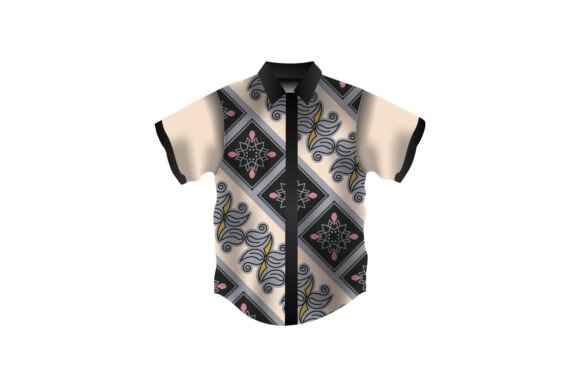
Batik is inherently complex. It carries a weight of tradition, culture, and intricate geometry that can easily become muddy if not handled with care in digital form. The mood of this design is relaxed yet respectful. It avoids the stiffness of formal ceremonial wear while retaining the recognizable soul of traditional Indonesian motifs. For an embroidery project, this balance is crucial. If it were too ornate, it would overwhelm small hoop sizes; if it were too simple, it would lose its cultural identity.
Visually, the layout feels balanced. It doesn’t scream for attention but rather invites a closer look. This makes it perfect for handmade products where subtlety often speaks louder than boldness. Whether you are creating a custom apparel piece or a delicate embroidered patch, the design has a natural flow that guides the eye without causing visual fatigue. It feels like a design asset that respects both the craft and the wearer.
Real-World Application: From Screen to Stitch
I recently tested a similar batik-inspired motif on a canvas tote bag, and the results were striking. Applying that same logic to Casual Indonesian Batik Traditional Uniform, I can see immediate potential for several specific use cases. Let’s talk about real scenarios, not just theoretical ones.
Imagine preparing a gift for a friend who loves travel or has Indonesian heritage. A high-quality embroidered cap featuring this design isn’t just merchandise; it’s a personalized gift with story. The design’s graphic nature translates well to structured fabrics like cotton twill used in caps and hats. However, the “casual” aspect suggests it also shines on softer materials. Think about a cozy sweatshirt embroidery project. The contrast between the structured batik lines and the soft fleece creates a tactile appeal that customers love. It elevates a basic garment into something boutique-worthy.
For the Etsy seller or small business owner, this design offers versatility. It works beautifully as a decorative accent on aprons or tea towels. The geometric elements lend themselves to clean stitching, which reduces the risk of thread breaks during long runs. If you are looking to expand your craft business offerings, adding a line of home decor items—like pillow covers or nursery decor—with this design can attract buyers looking for cultural elegance in their living spaces. It fits seamlessly into the current trend of global, artisanal aesthetics.
Where Caution Is Required
No design is perfect for every surface, and being honest about limitations is part of professional design judgment. There are specific situations where Casual Indonesian Batik Traditional Uniform might present challenges.
- Small Hoop Sizes: If the design contains fine, intricate details, attempting to fit it into a very small hoop (under 4x4 inches) may result in lost definition. The tiny gaps between stitches might close up, turning distinct patterns into blobs. Always check the minimum recommended hoop size before committing to small accessories like baby clothes or tiny patches.
- Textured and Stretchy Fabrics: While batik looks great on stable cottons, applying it to highly textured fabrics like chunky knits or stretchy jersey can distort the image. The fabric’s texture competes with the design’s lines. If you must use these fabrics, ensure you are using the correct stabilizer to keep the material taut and flat during stitching.
- Dense Stitch Areas: If the design relies heavily on fill stitches in a small area, it can become stiff and uncomfortable against the skin. This is particularly important for baby embroidery or garments worn directly against sensitive skin. Test the hand-feel of the finished sample to ensure it isn’t too rigid.
- Curved Surfaces: Embroidering on curved surfaces like baseball caps requires careful placement. If the design has straight, rigid lines, they may warp awkwardly around the curve of the hat. Consider how the design will interact with the three-dimensional shape of the final object.
Technical and Practical Design Notes
Before you upload this file to your machine or list it as a digital embroidery file for sale, there are several practical steps you should take. As a reviewer, I recommend treating this as a test phase.
First, always test the design on scrap fabric that matches your final product in weight and weave. This allows you to inspect thread colors under different lighting conditions. Batik often uses earth tones or deep blues; ensure these colors pop against your chosen background fabric. A light beige batik on white fabric might wash out, whereas on navy blue, it could look sophisticated.
Review the stitch density carefully. High-density designs consume more thread and time. If you are selling finished goods, factor this into your pricing. Conversely, if the design uses a mix of satin stitch for outlines and running stitch for details, it might offer a faster production time without sacrificing quality. Check whether the design includes any applique elements, as these require additional setup time and precision.
Another critical step is to view the design in black and white mockups. This helps you assess the contrast and composition independent of color bias. Does the negative space work? Are the focal points clear? This is especially useful for ensuring your design assets remain legible when printed on low-resolution tags or viewed on small mobile screens.
Finally, confirm licensing. Since this product falls under Graphics and Crafts, and includes vector files like Ai and Eps, clarify how these can be used. Can you sell the physical embroidered items? Can you resell the digital file itself? Clear licensing protects your commercial embroidery business and ensures you aren’t accidentally infringing on rights when creating your small shop product listings.
Final Verdict
Casual Indonesian Batik Traditional Uniform is a strong candidate for designers who value cultural authenticity mixed with modern simplicity. It bridges the gap between traditional art and contemporary wearable art. For the right project—be it a heartfelt holiday embroidery gift, a stylish tote bag design, or a premium personalized gift—this design delivers visual appeal and professional polish.
It encourages creativity and respects the craftsmanship involved in machine embroidery. By paying attention to fabric choice, stabilizer support, and stitch density, you can transform this digital asset into a tangible, cherished item. For the savvy maker, it’s not just a file; it’s an opportunity to create something meaningful that stands out in a crowded market.